git push master --force
If you like what I do, send me some Monero:
87ZN8URUY1M6GoXpxou4siDKJkLbLKDhT2RScrauzd4gbRyKgoY2ZX3Ut9WuMtkWebisViSE9EVRzVA1SD4kMdtAUPMiZBC


git push master --force
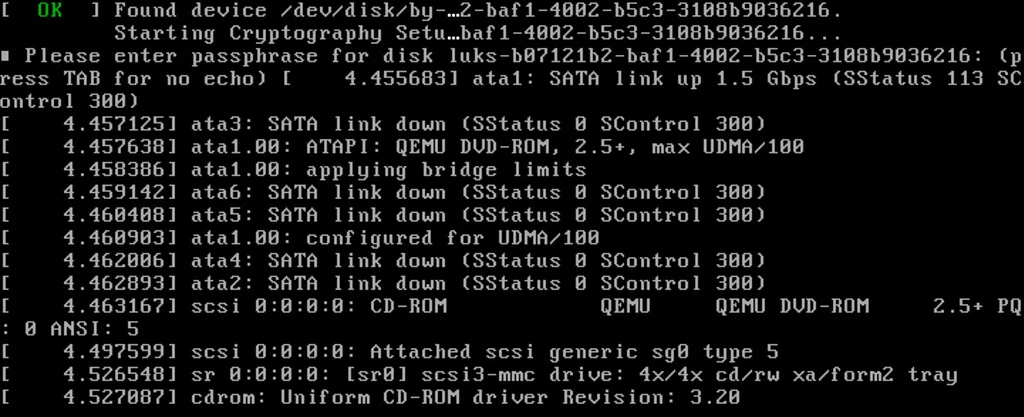
Press Esc when booting to see text


The TPM could be used to generate a LUKS decryption key from a password or PIN.
That would tie that password to the hardware, but with LUKS you can have multiple ones, so a long password that directly unlocks the key should be possible in addition


Just learned that you can pipe tar into any compression tool, if that is not natively supported.
It has less integrity checks but huge performance benefits for sure
How is CRDroid? What changes do they make? Is it based on LineageOS or some other project?


Sounds like tmpfs would be more reliable than streaming data directly?


Yes and switch often caused issues which is why I only use it for very small changes after I just did an update (where a nix-shell might also just work)
Btw very funny how Guix is basically a 1:1 nix clone but in Libre


nixos-rebuild switch
I mostly use nixos-rebuild boot which is waay more stable


NixOS has something similar but very unstable. So exciting to see new approaches!


Recompile C projects with Zig


BTRFS is a fucking must. Tried resizing a EXT4 partition for a while and failed, no idea why
I also use Bottles with ProtonPlus on NixOS. Bazzite has better integration for crazy stuff too, and a lot is running with full privileges unlike Flatpak.
Just look at their features, they really add a ton. The goal is to become less and less ofc, but Steam will stay proprietary so that will always be a huge change to regular (or atomic) Fedora.
https://github.com/ublue-os/bazzite?tab=readme-ov-file#about--features
Bazzite is a custom Fedora Atomic image built with cloud native technology that brings the best of Linux gaming to all of your devices - including your favorite handheld.
Bazzite is built from ublue-os/main and ublue-os/nvidia using Fedora technology, which means expanded hardware support and built in drivers are included. Additionally, Bazzite adds the following features:
ujust install-resolve)duperemove service for reducing the disk space used by wine prefix contents.ujust restore-input-remapper)</sup></sub>ujust install-openrazer in a terminal to begin using it.ujust install-opentabletdriver in a terminal.amdgpu driver.So yeah it is bloated and less secure too, but “just works”


No idea why you would want to get precious data out of DRM-riddled physical media and then somehow devalue it again by putting it back into that format.
HDDs make more sense I suppose


To be a normal DE that works like all other platforms and desktop (apart from macOS maybe, idk, likely also has support)
KDE also uses CSD if apps support it, but if not, apps dont break for no reason


Keyboard layout is a question of the desktop environment
All distros and environments should support the same amount of regular layouts. A difference is how you switch between them. KDE allows me to use CAPSLOCK to switch, GNOME does not allow that so I use Alt+A.
If you are talking about complex input methods like I guess korean uses, these will use a separate program. These will exist on all big distros but I never tried them.
This will likely exist on all distros you might encounter. They should all have a website to search for packages, which you can use before installing
For example


That depends on your preferences


Also checkout StirlingPDF
https://www.procustodibus.com/blog/2023/04/wireguard-netns-for-specific-apps/
https://volatilesystems.org/wireguard-in-a-separate-linux-network-namespace.html
https://github.com/dadevel/wg-netns
https://www.ismailzai.com/blog/creating-wireguard-jails-with-linux-network-namespace
On NixOS:
https://vtimofeenko.com/posts/wireguard-namespace-flake/
One of these should work
Use open source software that doesnt try to spy on you
There is no reason why these files should contain PII, but on Windows and with proprietary software you never know