

3·
10 hours agoNo clue. Haven’t used it in years. I was done when I went looking for a fix for the compositor thing and found a years-old open bug report.

Eskating cyclist, gamer and enjoyer of anime. Probably an artist. Also I code sometimes, pretty much just to mod titanfall 2 tho.
Introverted, yet I enjoy discussion to a fault.
No clue. Haven’t used it in years. I was done when I went looking for a fix for the compositor thing and found a years-old open bug report.
I do want to add that new games can also require new packages, the way Alan Wake II did at launch. Even on Arch you had to compile the development version of Mesa for it to run.
Cinnamons compositor doesn’t turn off for games (it’s supposed to but has been bugged for years) which costs you fps.
Playing Alan Wake 2 at launch was only possible with the latest Mesa drivers compiled from the AUR due to some graphics features that it required.

Hoping to organize some online tournaments. Maybe monthly? Gonna need players :D

Still just on the first step, embrace.
Apparently threads didn’t support federating replies (comments) on posts until this.
And you still won’t be able to reply to the federated comments on posts, just see them.
They are really not in a hurry to properly support federating. I honestly didn’t realize Threads’ federation support was this pathetic.

You really can’t see how a child can fall through the cracks of a fucked government care system and fall in with people who would take advantage of them?
Just warn all the kids off strangers, no way some won’t hear it, ignore it, or literally do the opposite of what they’re told for stupid childish reasons.
Brilliant thinking my friend, lets just tell all our kids not to get kidnapped, human trafficking, solved!
And before you get semantic on me, manipulating a child into coming with you against their own interests even as it is then not taking them against their will, is still kidnapping.
Modern ADSL and VDSL can get you pretty far… But they don’t hold a candle to fibre.

You can disable the news pop up that opens with steam, and it opens to your library, not the store page.
The only “hype” it’ll show you then are the news on the library pages for the games you own.
That’s less than a non-response. Self-inflicted sabotage of your own credibility.
Openly advertising your inability to understand why you disagree well enough to make others comprehend your stance with actual sentences that mean things.
So you try to pretend that a witty remark counts for something.
If you ever genuinely tried good-faith discussion, you’d see how little sense your position makes as you’d struggle to put together arguments that actually convince anyone.
Obviously this person shouldn’t be walking free, and needs serious rehabilitation.
But the same way adult ex-cons who end up back in prison in the US within months of release due to a fucked justice system, are victims, this literal child groomed into a tool to enact violence at the behest of others, is even moreso.
Yeah.
Kill that guy for us, or we’ll kill you, you owe us, sorta requires understanding death.
You think these kids take the “deal” knowing where it leads? Even some adults are easy to manipulate… so a fourteen-year-old?
I’d agree that some teen that kills of their own volition isn’t innocent… But there’s a literal gang involved that is actively grooming kids for murder.
As for the government letting it happen, agreed. Modern politics, legislation, and government executive branches address problems at a snails pace. Often actively causing them because politicians refuse to enact laws based on what is known, rather than what they feel.
Kinda like you, feeling like the victimhood of this actual child shouldn’t be acknowledged.
An attempt to address this with such a tainted perspective surely wouldn’t cause problems. /S
The kid is a victim.
And in Sweden what in the US would be called a “juvenile detention center” would fall under the term of “youth home”. He wasn’t returned to the same one.
I don’t think they’re exactly leaving him unguarded, being underage, there isn’t another type of facility suited for legally incarcerating him. These facilities essentially double as juvie and orphanages.
Mixing kids who are simply in government care with ones that are violent, was never a good idea though. These two systems should be separate, because it’s now turning the former into the latter.
According to accounts for this story from eight sources including a former gang member, several youth home workers, prosecutors and criminologists, the homes have turned into recruiting grounds for gangs, who use them to enlist killers too young to be jailed.
Gangs have essentially found a loophole for legal murder. Get a child to do it.
They’re the ones masterminding this shit. It’s not like these actual children, with government rooves over their heads, are taking on contract killing to make ends meet.

I have no clue what could be causing that. I’d start looking into each link in the chain and making sure it’s working.
But any halfway reasonable config should be able to handle audio playback, no matter how lossless. Audio-only just doesn’t achieve datarates that would choke up… Anything.
Essentially, benchmark file transfers, transcoding, etc. Make sure each step of how it works is in fact working. Check drive SMART health… Whatever you can think of.
Also logs. No need to read through thousands of lines, but looking at the lines time stamped around when the issue occurs is always a good idea. FFMPEG logs, JF logs, client player logs, does SMB or whatever network drive protocol you’re using have logs? If it does, check em.
This one will be… Interesting. Either for the right reasons, or the wrong ones. Either way… Interesting.

Nah I think most of us just don’t think this one makes sense.
Like I get in what way it’s supposed to be funny. It just isn’t.
Me: is this some joke I have too many known-good btrfs snapshots to understand?
I think OP is looking for a desktop application, not a selfhosted cloud platform.

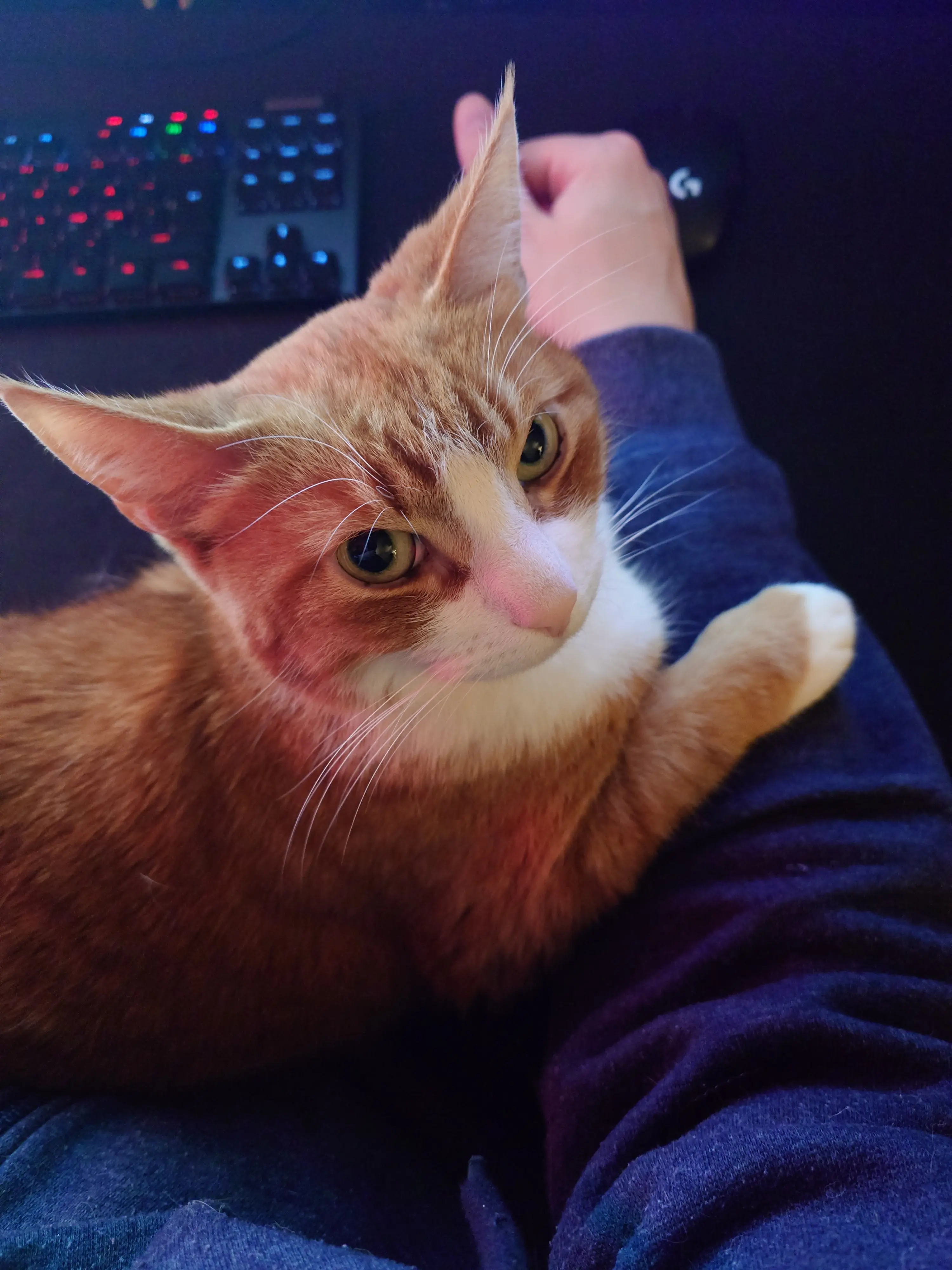
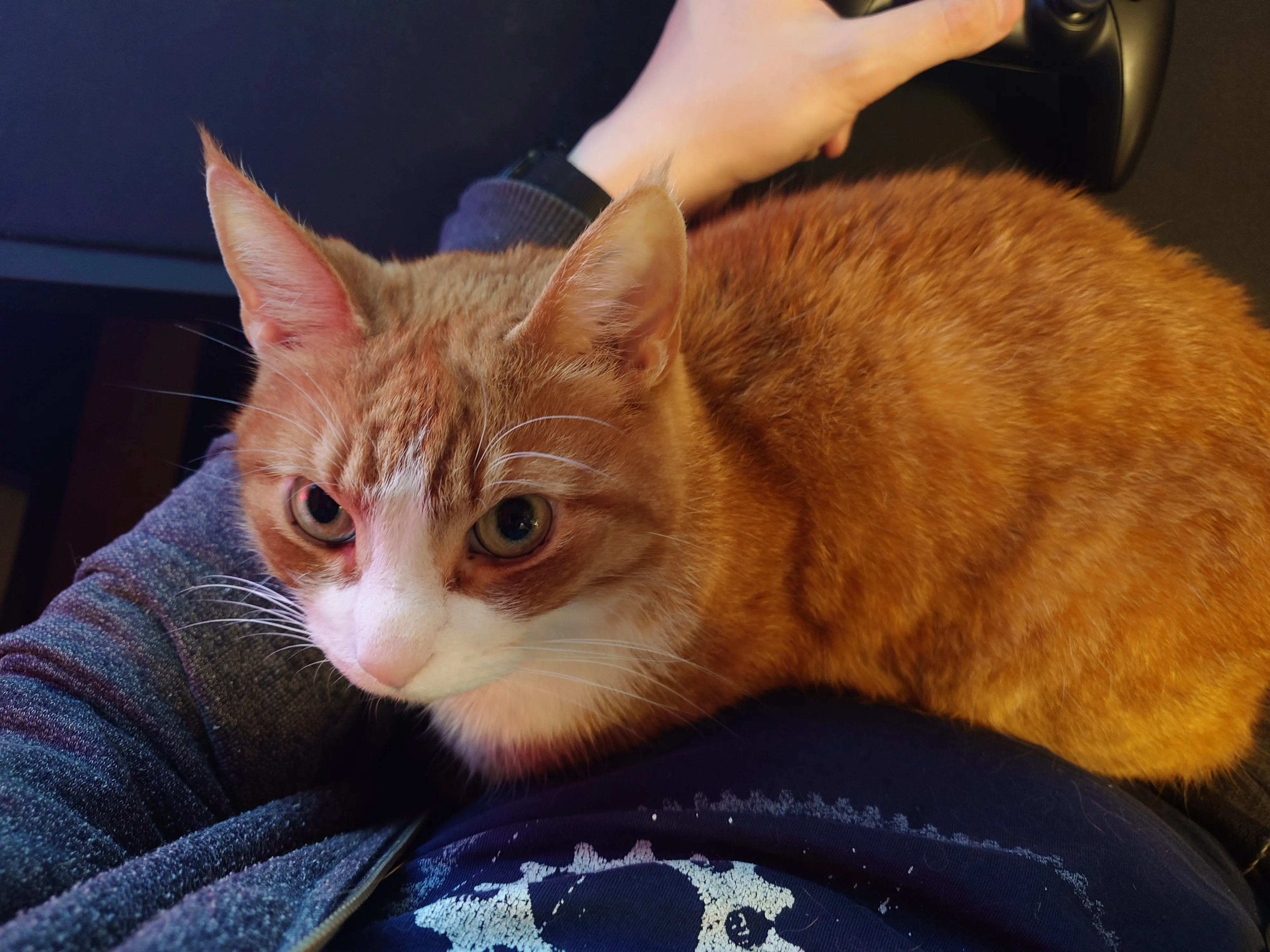
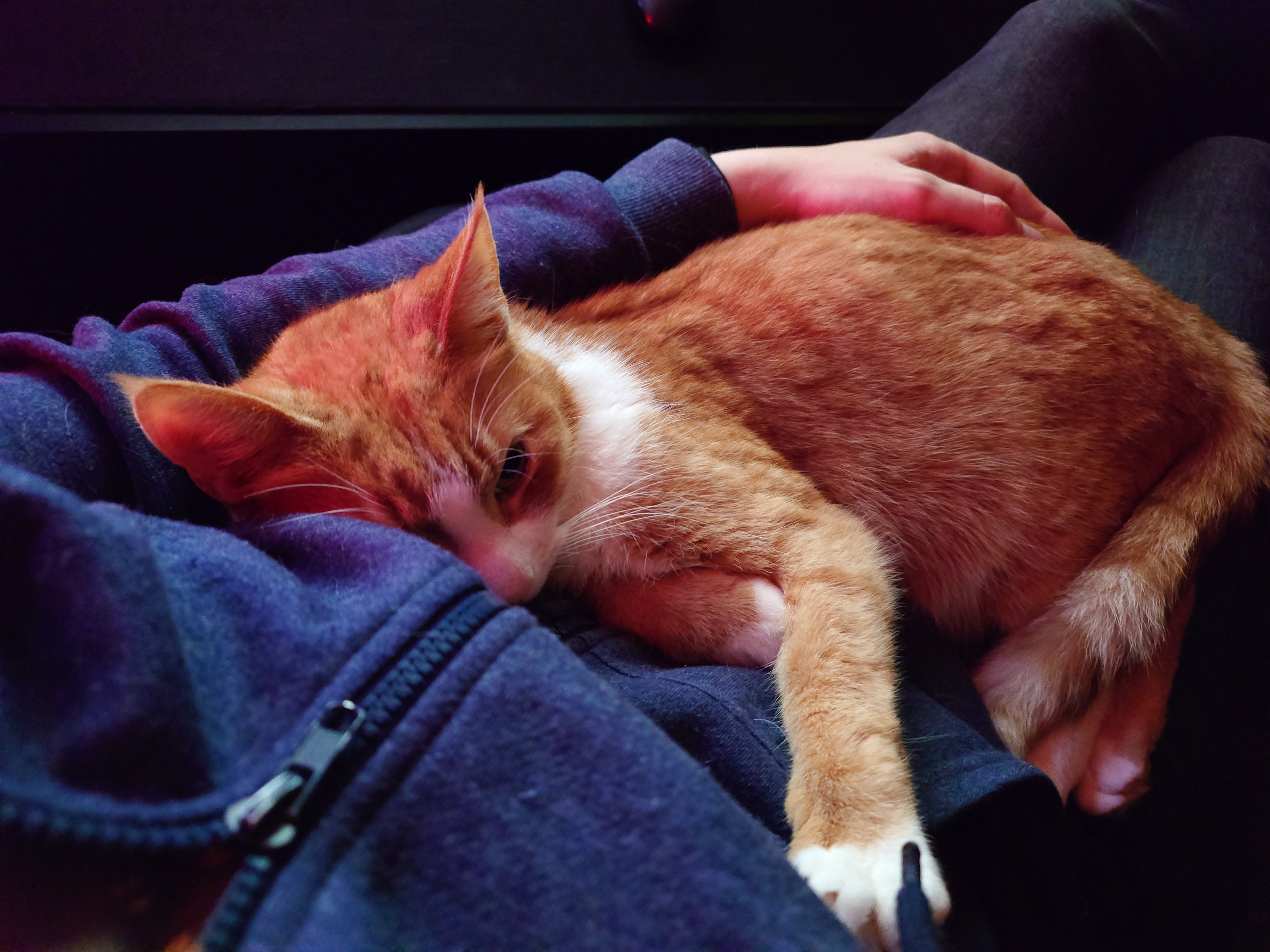
She is not a cat-blanket. You’re a heater-human.

It’s a safe assumption, as most of the time a manga doesn’t exist at all if the anime is original.
But there are exceptions.
As for anime being original, happens more than you’d think. And a lot are novel adaptations.















With AUR it’s as easy as installing any other package, actually.
You just install the git version from AUR.