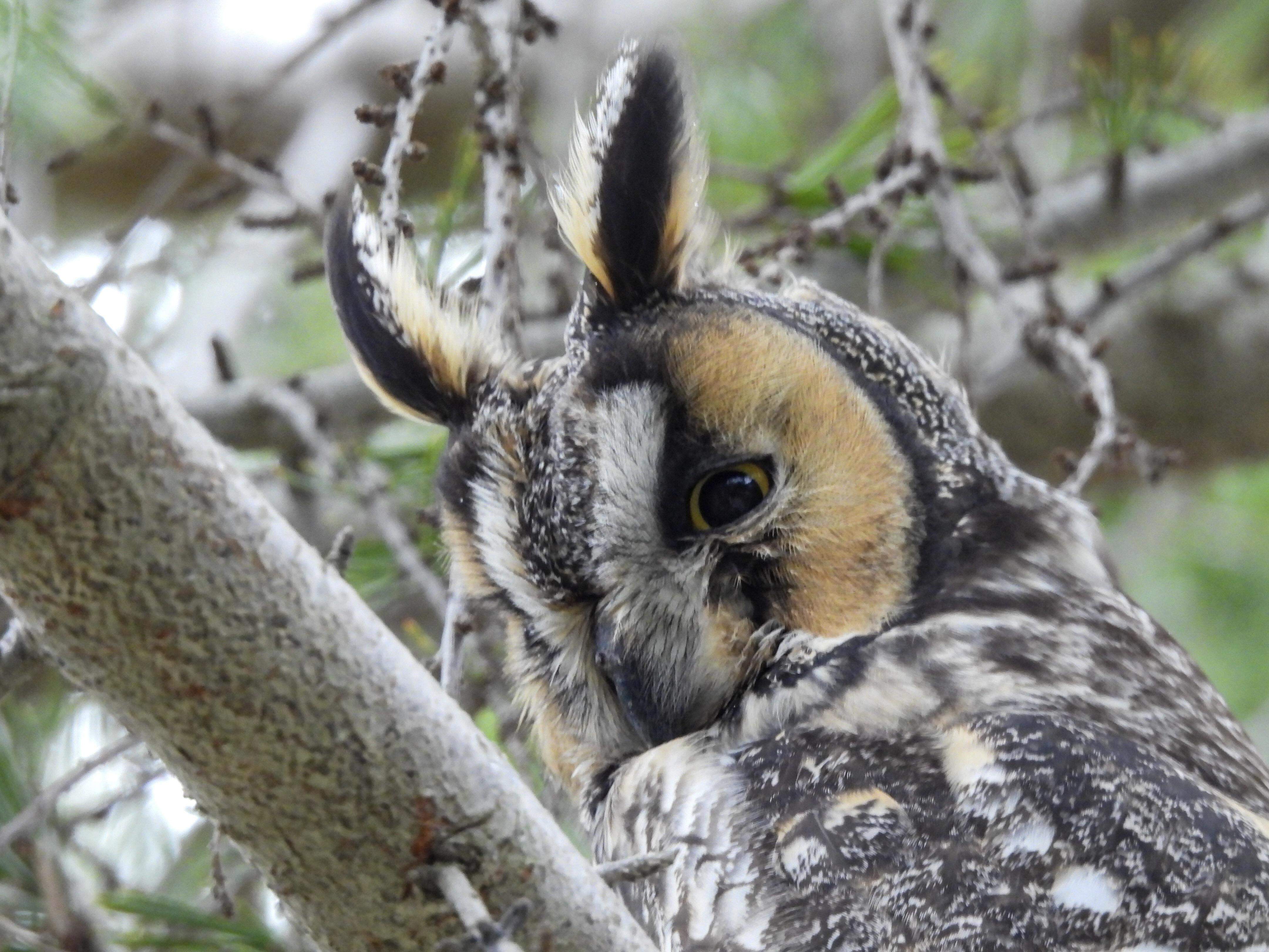

The Snowy Owl has been declared Regionally Extinct in Sweden. For the first time in 20 years, the country has officially lost a bird species.
From Birdlife.org
It’s hard to mistake a Snowy Owl for another bird. Big, bright white, and incredibly graceful, it’s one of the largest owls in the world. It normally nests far up in the Arctic, following the rise and fall of lemming populations. In good years, when food is plentiful, some migrate south and settle in the Swedish mountains.
But life has never been easy for this species. In the 1800s, in some parts of the world, it was among the most persecuted owls. Thousands were shot for taxidermy, and adults and eggs were hunted for food. Today, only an estimated 14,000–28,000 remain worldwide. The species is now listed as Vulnerable on the IUCN Red List and its numbers continue to decline.
Despite these challenges, Snowy Owls are extraordinary birds. They can hear prey hidden beneath deep snow and dive straight through it to catch it. Perfectly camouflaged in the Arctic landscape, they can live for decades in some of the harshest conditions on Earth. And for a long time, Sweden offered exactly what they needed: cold weather, open landscapes, wetlands, and plenty of rodents.
The Snowy Owl in Sweden
Snowy Owls have been breeding irregularly in Sweden for centuries. Over the 1970s, several hundred pairs raised their young in the mountains. Their presence became a powerful symbol of Sweden’s northern wilderness.
But after 2015, they went silent. No nests. No chicks. No signs of breeding at all. The Snowy Owl has been declared Regionally Extinct in Sweden in Autumn 2025. This heartbreaking news doesn’t come out of the blue.
“We are extremely concerned about the development. The majority of owl species in Sweden are declining. One reason is climate change, which means that rodent years are becoming increasingly rare.”, says Niklas Aronsson, editor-in-chief of Vår Fågelvärld, BirdLife Sweden’s member magazine.
How did this happen?
Owls usually choose remote, untouched places to raise their young. But as housing, roads, deforestation and other human activities have expanded, most of the species that once bred in Sweden, are losing their habitat.
The Snowy Owls’ biggest threat, though, is climate change. Warmer winters bring more rain and less snow, destroying the snow tunnels that lemmings, their primary food source, rely on to survive. Without these small rodents, the owls cannot survive. And as the Arctic warms, the landscapes Snowy Owls depend on are disappearing too.
Their disappearance from Sweden is more than a loss of a species. It’s a warning about how quickly Arctic ecosystems are changing. Losing them is a painful reminder of what’s at stake for biodiversity, for nature, and for conservation work in general.
But not everything is lost. As long as the Snowy Owl is not globally extinct, there is still hope that it may return to Sweden one day. It’s future, however, depends on the choices we make and our willingness to protect nature and its inhabitants. The moment is now, nature can’t wait.
Sad news for the lemmings. The fediverse ones at least.
Possibly not much better for the lemmings if their numbers are suffering as well. Lemmings are cute and should be cared for too!

What a cute !taneggs@lemmy.ca
Most owls would be in a lot of trouble if not for tan eggs!
Nature preserve is a single fight whatever part of the nature we prefer.
This comment should be a post in the Tan Eggs community
I’ve had a few crossover posts with taneggs before!
That community and the birding ones I wish I could remember to participate in more, but superbowl ends up consuming all my attention.
their primary diet is lemmings, feeling a little less threaten then
I recommend always walking with an umbrella. Snowies are big, but still not that heavy. A sturdy umbrella will bounce them off, leaving you time to find shelter until danger passes.
Soon: superbowl merch. Starting with the snow camouflage ombrella!
Oh nooooooo! Sad news
It’s a tad difficult to monitor Snowy populations, as they don’t have traditional migration patterns, they follow food, in what is called an irruption. The US is currently getting more Snowies than is normal, for instance.
Groups like Project SNOWstorm do nothing but track Snowies for this reason. If you click this link and click on any of the owls, you can see their stories and get a map of all the GPS triggers their trackers have pinged.

The US is currently getting more Snowies than is normal, for instance.
I remember you sharing stories about unexpected snowy owl in New York the past winter.
On one hand, I don’t want any animals to get hurt, but on the other, all 3 rescues near mine have gotten Snowies in this year… Where’s my Snowy?! 😇
another word for it is called extirpation.
Thank you! I couldn’t remember the word for it.